An exhaust leak can cost you a small gasket job at around a hundred dollars, or a four-figure bill if the catalytic converter ends up involved. The difference is mostly how long you ignore it. The first sign is almost always the exhaust leak sound itself: a hiss, a tick or a roar that wasn’t there last month. Learn to read it and you can usually tell roughly where the leak is and how urgent it is.
What the noise tells you, by location
An exhaust system runs from the engine to the tailpipe, and the sound changes depending on where it’s escaping.
At the manifold
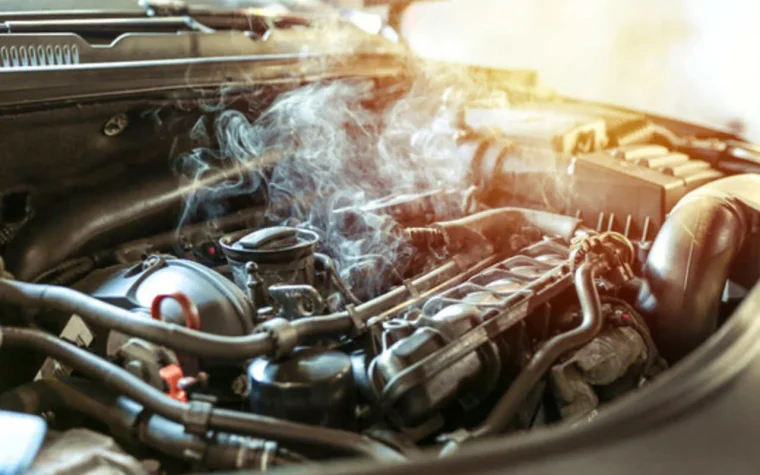
This is the part bolted to the engine. A leak here usually makes a ticking or tapping sound, loudest on a cold start. It often fades as the metal heats up and expands, which makes people ignore it. Don’t. Hot gas leaking this close to the engine can damage wiring, sensors and hoses nearby.
At the catalytic converter or the middle pipes
Expect a hiss or a deeper rumble, sometimes with a sharp smell. A rattle underneath can mean the converter or a heat shield has come loose or broken up inside. This is also where repairs start getting expensive.
At the muffler or tailpipe
A deep roar that gets louder as you accelerate usually means a hole or rusted section. If the leak is upstream of the muffler, it can’t quiet the noise, which is why the car suddenly sounds harsh.
At a joint or gasket
Puffing or spitting from where two pipes meet points to a failed gasket or a loose clamp. It’s one of the cheaper fixes.
Other signs it isn’t just noise
- A louder engine, especially when you press the accelerator.
- Worse fuel economy. Oxygen sensors read your exhaust to help set the fuel mix. A leak ahead of a sensor can let outside air in and throw its readings off, so the engine may use more fuel than it needs. Dirty injectors cause this too, so see our guide to using fuel injector cleaner before assuming.
- Sluggish, rough running or vibration through the pedals and floor. Some cars show an engine power reduced message.
- A burning or exhaust smell, especially inside the car.
- A check engine light. Our Honda check engine light guide and the post on a flashing check engine light explain what the patterns mean.
- A failed emissions test, which can block your registration until it’s fixed.
When it stops being a noise problem
Exhaust gas contains carbon monoxide, which you can’t see and barely smell. A small leak under the car is mostly a nuisance. A leak that lets fumes into the cabin is a safety issue. Pull over, open the windows and get fresh air if you notice any of these while driving:
- An exhaust smell inside the car
- A headache, dizziness or nausea
- A roar that keeps getting louder
- A flashing check engine light or a jerking engine
- A pipe hanging down or a visible hole
There’s no safe number of miles to drive with a leak, so please don’t count on getting a few hundred more out of it. A light tick on a cold start can wait a few days, but not a few months.
Why exhausts leak
Rust is the main cause, especially where road salt is used. Rough roads and potholes weaken pipes and joints. Gaskets at the manifold wear out. Worn hangers let the system vibrate until a pipe cracks. Some of this connects to your engine’s health too, so if you’re also seeing overheating, read about the symptoms of engine damage from overheating.
What it costs
It varies with the location, your vehicle and local labor rates. Minor repairs, like welding a small crack or swapping a gasket, often run about $100 to $300. A pipe or muffler section usually costs several hundred dollars, with most leaks landing between $100 and $800. Replacing the catalytic converter can push the total past $1,000. Get more than one quote, because a mechanic has to see the car to price it properly.
Can you fix it yourself?
Clamps, exhaust tape and sealants can quiet a small leak for a while, but treat them as stopgaps. Manifold bolts are often rusted solid and snap, so that job is best left to a shop. If the muffler is what’s failing, our guide to muffler replacement covers what to expect.
Keeping it from coming back
Have the exhaust looked at whenever you change your oil, watch for rust underneath and fix loose hangers early. A steady routine, like the one in our automotive maintenance tips and tips to maintain your car long term, catches most of these before the sound even starts.
FAQs
How can I tell if my exhaust is leaking?
Listen for hissing, ticking, popping or a louder roar. Other clues are vibration, a burning smell, worse fuel economy and a check engine light.
Can I drive with an exhaust leak?
Not for long. Carbon monoxide can get into the cabin, so have it inspected soon. If you smell fumes, stop driving.
Can it damage the engine?
A leak near the manifold lets hot gas out close to wiring, sensors and hoses, and it can stop the engine running as it should.
Why is it louder when I accelerate?
More exhaust gas flows through the system as the engine works harder, so more of it escapes through the leak.
Is it an easy fix?
Sometimes. A gasket or clamp can be simple. A cracked or rusted pipe usually means welding or replacing a section, and sealants are only temporary.
One last thing
A new noise from under the car is never just a noise. It’s your exhaust telling you something has rusted, loosened or cracked, and it rarely fixes itself. The earlier you act, the more likely you are to pay for a gasket or a clamp instead of a whole section of pipe.
So have someone look at it this week, not this year. And if you ever smell fumes inside the car, don’t wait for an appointment. Open the windows, pull over and get some fresh air first.