Cruise control is older than most people think. An engineer named Ralph Teetor came up with the idea in the 1940s, and Chrysler put it on the 1958 Imperial. The job hasn’t changed: hold one speed so you don’t have to. What has changed is everything behind it. Today the system leans on your brake switch, speed sensors, the engine computer and sometimes a radar unit, which is why cruise control not working can mean anything from a fuse that costs a dollar to a module that costs hundreds.
The 10-minute checks
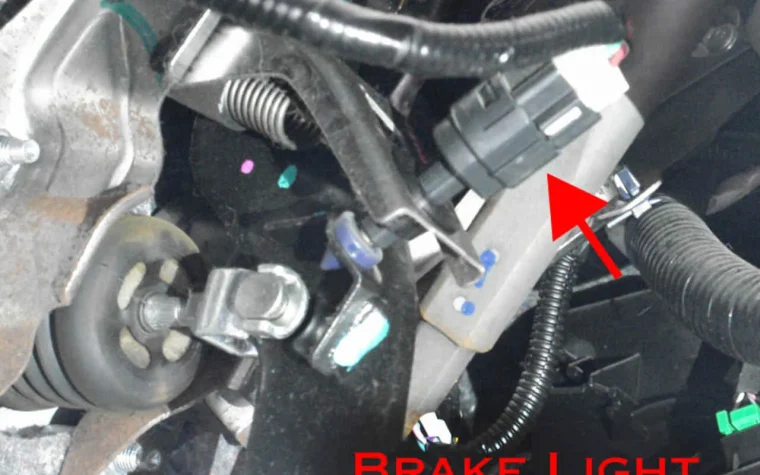
Brake lights. Press the brake while someone watches the back of the car, or reverse up to a wall in the evening and look at the glow. Cruise control listens to the same switch that turns your brake lights on. If a bulb is out, or the lights don’t come on at all, the car may refuse to engage cruise. The switch itself is worth a look too, and we cover it in our guide to the symptoms of a malfunctioning brake light switch.
The fuse. Your owner’s manual shows which fuse belongs to cruise control (sometimes it’s shared with the brake lights). Pull it, hold it up to the light and replace it only with one of the same rating. If a fresh one blows straight away, stop there. Something is shorting, and that’s a job for a mechanic.
Dashboard warnings. Look for check engine, ABS, traction or stability lights. Many cars quietly switch cruise off when the engine, transmission or stability system reports a fault. If that’s your case, read up on engine power reduced warnings and what a flashing check engine light means.
A quick restart. Switch cruise off, turn the car off, wait a minute, start it again and try to set a speed. It’s dull advice, but it clears the occasional glitch.
What cruise control needs in order to work
For the system to engage, the car needs four things: a healthy signal from the brake switch, a reliable speed reading, working buttons on the steering wheel and no fault codes hanging around. With those in place, the engine computer holds your speed by adjusting the throttle. It cancels the moment you tap the brake, press the clutch or hit cancel.
Newer cars with adaptive cruise control add radar or a camera to keep a gap to the car ahead. And if you’re wondering whether it’s worth using at all, we looked at whether cruise control saves gas.
The 9 usual suspects
- A blown fuse. The cheapest fix on the list, and the first thing to check.
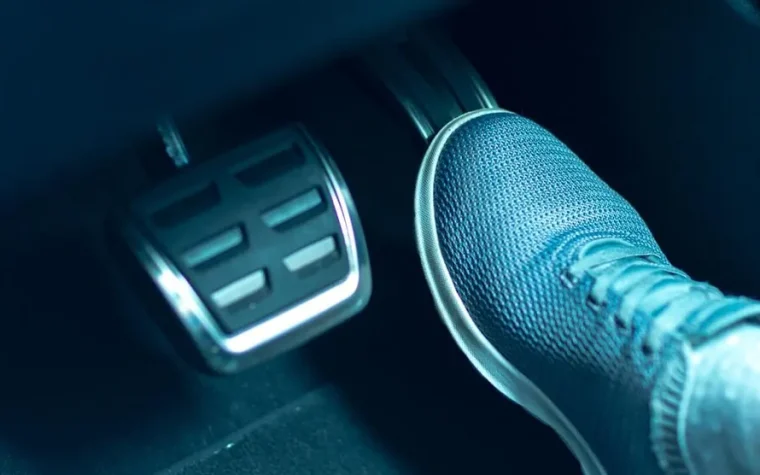
- The brake light switch. It sits on the brake pedal. If it fails, the car may think you’re braking all the time.
- Brake lights. Burnt-out bulbs, or aftermarket LEDs that send the wrong signal, can stop cruise from engaging.
- The steering wheel switch or clock spring. The buttons connect through a coiled wire called the clock spring. If the airbag light is on as well, have a professional look, because that part belongs to the airbag system.
- Speed sensors. Cruise needs to know how fast you’re going. Read about the wheel speed sensor and how to find the transmission speed sensor. A fault here can also turn on your ABS or traction light.
- A fault code somewhere else. Engine, transmission or stability control problems can all shut cruise off.
- Throttle, actuator or module trouble. This is the expensive end. If the engine surges or reacts oddly to your foot, see our guide to the accelerator pedal position sensor.
- A vacuum leak on older cars. Older systems use vacuum to move the throttle, so a cracked hose or leaking actuator stops them.
- Wiring and connectors. Loose plugs, corroded wires or a weak battery can cut power to the system. These faults come and go, which makes them hard to find without a scan tool.
Adaptive cruise and driver-assist trouble
If your car has radar or camera-based cruise, the sensors become suspects too. Dirt, snow, ice or a damaged bumper can block them, as explained in our post on dirty radar sensors on Mercedes cars. Related systems throw their own warnings, such as Honda Sensing problems, the Honda Collision Mitigation Braking System, Audi Pre Sense warnings and their common problems. Clean the sensor area first, then get it diagnosed if the warning stays.
If you’re curious where this technology is heading, have a look at whether Enhanced Autopilot is worth it, Tesla Enhanced Autopilot versus Full Self-Driving and the pros and cons of self-driving cars.
If cruise control won’t switch off
This one’s rare but serious. Press cancel or the off button. If that does nothing, brake firmly and shift into neutral, steer to a safe place and stop. Only then turn off the engine, and don’t use the system again until it’s repaired.
What the fix might cost
A fuse is a few dollars. A brake light switch or cruise control switch usually lands between $125 and $350 fitted. A clock spring, speed sensor or control module is several hundred dollars depending on the car, and an actuator can go past $700 on some vehicles. A diagnosis on its own often runs around $95 to $115, which is worth paying once you’ve run out of cheap ideas. Regular servicing, like the tips in our automotive maintenance guide, prevents a lot of these faults.
Signs it’s no longer a DIY job
Stop using cruise and book an inspection if it won’t cancel or speeds up on its own, if your brake lights don’t work or stay on, or if the check engine, ABS, traction or airbag light is on. The same goes if the engine surges or loses power. And if the brake pedal ever feels soft or sinks, don’t drive at all. Read about a brake pedal that goes to the floor first.
FAQs
Can I reset cruise control?
Yes, in most cars. Switch it off, turn off the engine, wait a minute, restart and set a speed again. If it still fails, go back to the brake lights and fuse.
Why did it stop all of a sudden?
A blown fuse, a failed brake light switch or a speed sensor fault are the usual reasons. A warning light elsewhere can also shut it off.
Will it work with the check engine light on?
Often not. Many cars disable cruise when the engine or transmission reports a problem.
What does a bad cruise control module look like?
The system quits with no other cause, speed surges, the buttons do nothing or a warning light appears.
Does cruise control save gas?
It can on highways at a steady speed. Commonly quoted estimates are around 7% to 14%, but results vary. We break it down in our full post on whether cruise control saves gas.
Is it safe to drive without it?
Yes, as long as the brakes and brake lights work normally. Still get it checked, because the cause can affect other systems.
Worth remembering
If the brake lights work, the fuse is fine and nothing is lit on the dashboard, stop poking around. A proper scan costs less than guessing, and it tells you whether the cost lands on a cheap switch or an expensive module. Whatever you find, get brake pedal issues checked before you worry about cruise.